

Alcohol Addiction Centers in Virginia
Alcohol Rehab Virginia connects you with SAMHSA-verified alcohol rehab centers throughout Virginia offering medical detox, residential care, partial hospitalization (PHP), intensive outpatient (IOP), and standard outpatient programs. Most facilities accept private insurance and Virginia Medicaid. Use our free directory to compare alcohol treatment programs by level of care, location, and insurance — or use the 24/7 helpline above for immediate placement assistance.
Signs and Symptoms of Alcohol Use Disorder
Alcohol use disorder (AUD) is a chronic medical condition. Recognizing the signs early — in yourself or a loved one — enables faster access to evidence-based treatment and significantly improves long-term outcomes.
Physical Signs
- •Tremors or shaking, especially in the morning
- •Flushed face or skin redness
- •Bloodshot eyes and changes in sleep patterns
- •Unexplained weight loss or poor nutrition
- •Jaundice (yellowing of skin or eyes) indicating liver damage
- •Frequent gastrointestinal issues, heartburn, or nausea
Behavioral Signs
- •Drinking in larger amounts or for longer than intended
- •Repeated failed attempts to cut down or control drinking
- •Spending significant time obtaining, using, or recovering from alcohol
- •Neglecting responsibilities at work, school, or home
- •Continuing drinking despite causing relationship problems
- •Giving up important social, occupational, or recreational activities
Psychological Signs
- •Intense cravings for alcohol
- •Mood swings, irritability, or anxiety when not drinking
- •Using alcohol to cope with stress, trauma, or emotional pain
- •Blackouts — memory gaps about events that occurred while drinking
- •Impaired decision-making and increased risk-taking behavior
- •Depression and feelings of hopelessness
If you recognize these signs in yourself or a loved one, call +1 (888) 410-5555 for a free, confidential alcohol assessment — 24/7.
Types of Alcohol Rehab Programs
Effective alcohol addiction treatment progresses through structured levels of care — from medically supervised detox through long-term outpatient support. The right level depends on severity of alcohol dependence, co-occurring conditions, and your life circumstances.
Medical Detox
3–7 daysMedically supervised alcohol withdrawal management under 24-hour nursing and physician care. Required for individuals with severe alcohol dependence before entering residential or outpatient treatment. Detox reduces withdrawal mortality risk from up to 15% (untreated severe cases) to under 1%.
Residential Treatment (Inpatient)
28–90 days24/7 structured clinical care in a live-in setting. Alcohol rehab programs typically include cognitive behavioral therapy (CBT), group counseling, family therapy, and relapse prevention planning. Best for moderate-to-severe alcohol use disorder or when the home environment does not support recovery.
Partial Hospitalization Program (PHP)
4–6 hours/day, 5 days/weekFull-day alcohol treatment programming with the ability to return home in the evenings. PHP serves as a step-down from residential care or a step-up from IOP, providing intensive therapy while maintaining some daily routine and family contact.
Intensive Outpatient Program (IOP)
9–20 hours/weekStructured group and individual alcohol counseling sessions while maintaining work, school, or family obligations. IOP is the most common step-down after PHP or residential alcohol rehab and is suitable for mild-to-moderate alcohol use disorder.
Standard Outpatient
1–3 sessions/weekOngoing individual counseling, group therapy, and relapse prevention for people in stable early recovery from alcohol addiction. Many centers also offer alumni programs, peer support groups, sober living referrals, and telehealth sessions for patients in rural or underserved areas.
Alcohol Withdrawal: Symptoms, Timeline, and How Medical Detox Helps
Alcohol withdrawal occurs when a person physically dependent on alcohol stops or significantly reduces drinking. Symptoms range from uncomfortable to life-threatening depending on severity of dependence and individual medical factors. Medical detox manages alcohol withdrawal safely under 24-hour clinical supervision.
Early (6–12 hours)
Tremors, anxiety, sweating, rapid heartbeat, nausea, headache, insomnia
Peak (12–48 hours)
Severe tremors, hallucinations, seizure risk, elevated blood pressure and heart rate, confusion, fever, intense cravings
Delirium Tremens (48–96 hours)
Delirium tremens (DTs): disorientation, severe agitation, visual/tactile hallucinations, seizures — medical emergency requiring ICU-level care
Resolution (5–10 days)
Gradual improvement; fatigue, mood swings, sleep disturbances, and cravings may persist for weeks
Common Withdrawal Symptoms
Alcohol withdrawal can be fatal without medical supervision. Untreated severe alcohol withdrawal has a mortality rate up to 15%; medical detox reduces this to under 1%. Never attempt to detox from alcohol alone — seizures, delirium tremens, and cardiovascular collapse require emergency medical care. Medications like benzodiazepines (chlordiazepoxide, lorazepam) and beta-blockers prevent seizures and manage vital signs during medically supervised detox.
Post-Acute Withdrawal Syndrome (PAWS) — including persistent mood swings, sleep disturbances, cravings, and anxiety — can last weeks to months after acute alcohol withdrawal resolves. Medication-assisted treatment (MAT) with naltrexone, acamprosate, or disulfiram and ongoing therapy significantly reduce PAWS severity and relapse risk.
Medication-Assisted Treatment (MAT) for Alcohol Use Disorder — FDA-Approved Options
MAT for alcohol addiction combines FDA-approved medications with behavioral therapy to treat alcohol use disorder. SAMHSA and the American Society of Addiction Medicine (ASAM) endorse MAT as a first-line treatment — reducing relapse rates by 40–60% and doubling treatment retention rates in clinical trials.
Naltrexone (Vivitrol)
A full opioid antagonist that blocks the rewarding effects of alcohol. Reduces cravings and prevents relapse by eliminating the pleasurable sensation of drinking. Available as daily oral tablet or monthly injection (Vivitrol).
Moderate to severe alcohol use disorder; patients motivated to maintain abstinence
Covered by most private insurance and Medicaid. Oral form available at any pharmacy; Vivitrol injection administered at treatment centers or physician offices monthly.
Acamprosate (Campral)
Restores balance of neurotransmitters disrupted by chronic alcohol use. Reduces protracted withdrawal symptoms, cravings, and emotional discomfort without blocking alcohol's effects.
Mild to moderate alcohol use disorder; patients seeking to maintain sobriety post-detox
Prescribed by any physician. Available at all pharmacies. No addiction potential. Typically taken three times daily.
Disulfiram (Antabuse)
Creates adverse physical reaction if alcohol is consumed — causes flushing, nausea, chest pain, and severe discomfort. Acts as a behavioral deterrent rather than a neurochemical treatment.
Patients with strong motivation and support system; best for those who value the behavioral commitment aspect
Prescribed by any physician. Requires liver function tests and informed consent. Not for patients with alcohol in their system.
Baclofen (off-label)
A GABA-B agonist that reduces cravings and anxiety associated with alcohol withdrawal. Used off-label with increasing clinical evidence for alcohol use disorder.
Patients with significant anxiety or muscle tension alongside alcohol dependence; mixed evidence compared to FDA-approved options
Prescribed off-label by addiction medicine specialists. Cost and insurance coverage vary; not FDA-approved for AUD.
Unlike opioid addiction, there is no alcohol 'substitute' medication. FDA-approved options for alcohol use disorder work through different mechanisms: naltrexone blocks reward, acamprosate normalizes brain chemistry, and disulfiram creates deterrence. Many treatment centers use combinations — for example, naltrexone plus acamprosate plus therapy — to maximize effectiveness.
How Much Does Alcohol Rehab Cost?
Alcohol treatment costs vary by program type, duration, and insurance coverage. Most private insurance plans are required by the Mental Health Parity and Addiction Equity Act to cover substance use treatment at the same level as other medical conditions.
| Program Type | Without Insurance | With Insurance |
|---|---|---|
| Medical Detox (7 days) | $1,500–$8,000 | Often fully covered |
| Residential / Inpatient (30 days) | $6,000–$30,000 | 50–100% covered |
| Partial Hospitalization — PHP (4 weeks) | $3,000–$10,000 | Most plans cover |
| Intensive Outpatient — IOP (8 weeks) | $1,400–$5,000 | Most plans cover |
| Standard Outpatient (12 weeks) | $500–$2,000 | Co-pay varies |
Most major private insurers — including Blue Cross Blue Shield, Aetna, Cigna, UnitedHealthcare, and Humana — are required to cover alcohol addiction treatment. Virginia Medicaid covers substance use treatment in all regions. Call our free helpline to verify your specific coverage in under 2 minutes.
How to Find the Right Alcohol Rehab Program
Alcohol Rehab Virginia simplifies finding verified, insurance-compatible alcohol addiction treatment in Virginia — from initial search to next-day placement.
Search & Compare
Filter our SAMHSA-verified directory by Virginia city, ZIP code, insurance plan, level of care (detox, residential, PHP, IOP, outpatient), and alcohol rehab specialty. Each listing displays accreditation status, accepted insurance, and available therapies.
Call Our Free Helpline
Speak with a trained counselor at +1 (888) 410-5555 — available 24/7, free, and confidential. Our counselors evaluate your situation, answer questions about alcohol rehab options, and recommend Virginia programs based on your clinical needs.
Verify Your Insurance
Our benefits coordinator contacts your insurer directly to confirm coverage, deductibles, and co-pays for alcohol addiction treatment. If uninsured, we review Virginia Medicaid eligibility and state-funded program options during the same call. This takes approximately 10 minutes and creates no obligation.
Begin Treatment
Once matched, most Virginia facilities offer admission within 24–48 hours. Your treatment team creates an individualized plan that may include medical detox, evidence-based therapies (CBT, MAT, MI), and a 12-month aftercare roadmap.
How to Choose the Right Alcohol Rehab Center
The right alcohol treatment center matches your medical needs, insurance, location, and preferred level of care. Use these five criteria to evaluate any program.
Accreditation
Look for Joint Commission Gold Seal, CARF certification, or NAATP membership — these indicate adherence to clinical quality standards for alcohol addiction treatment.
Evidence-Based Care
The center should offer CBT, MAT (naltrexone, acamprosate, disulfiram), and individualized treatment planning — not just group counseling or 12-step alone.
Dual Diagnosis Capability
If you have co-occurring depression, anxiety, PTSD, or other mental health conditions, the center must provide integrated treatment for both alcohol addiction and mental health.
Family Involvement
Quality alcohol rehab programs include family therapy, education sessions, and ongoing family support — addiction affects the entire family system.
Aftercare Planning
Ask about alumni programs, peer support, sober living referrals, and 12-month follow-up — alcohol treatment does not end at discharge.
Questions to Ask Before You Enroll
- 1.What levels of care do you offer (detox, residential, PHP, IOP)?
- 2.Do you accept my insurance plan? What are my out-of-pocket costs?
- 3.What FDA-approved medications for alcohol addiction do you use (naltrexone, acamprosate, disulfiram)?
- 4.How do you treat co-occurring mental health conditions alongside alcohol addiction?
- 5.What does your aftercare and alumni program look like?
- 6.What is your staff-to-patient ratio and what credentials do staff hold?
Featured Alcohol Rehab Centers
Explore our hand-picked selection of highly-rated alcohol rehabilitation facilities with proven success records across Virginia
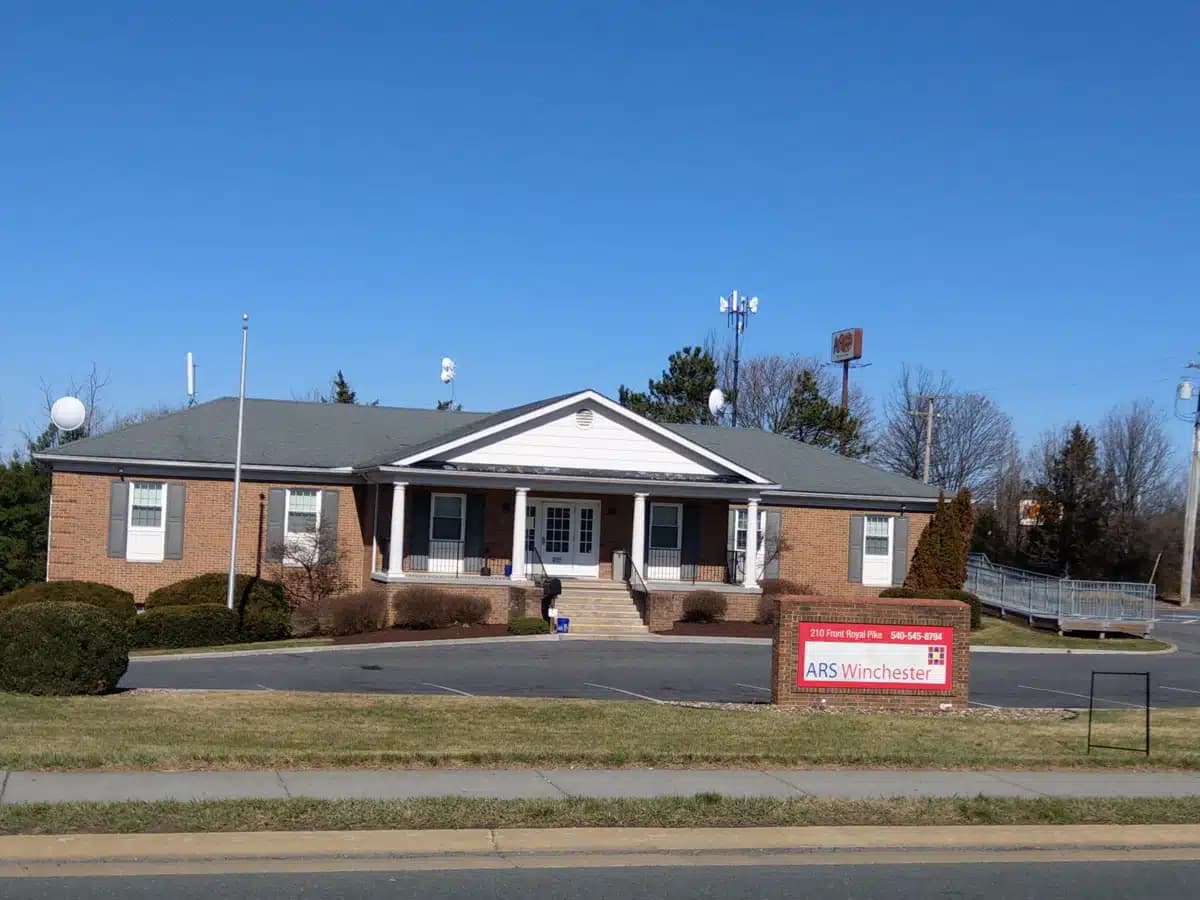
ARS of Virginia LLC
Winchester, VA
ARS of Virginia LLC in Winchester provides comprehensive substance use treatment through evidence-based approaches including cognitive behavioral therapy, motivational interviewing, and relapse prevention. The facility offers flexible care options ranging from intensive outpatient programs to medication-assisted treatment with methadone, buprenorphine, and naltrexone. Serving diverse populations including veterans, LGBTQ+ individuals, pregnant women, and those with co-occurring mental health disorders, ARS delivers specialized, trauma-informed care with telemedicine accessibility.
Services:
 Featured
Addiction Allies LLC
Charlottesville, VA
Addiction Allies LLC in Charlottesville, VA offers comprehensive outpatient and intensive treatment for substance use disorders and co-occurring mental health conditions. Specializing in detoxification, medication-assisted treatment with methadone and buprenorphine, and evidence-based therapies including cognitive behavioral therapy and trauma counseling, they serve both adults and children. Their flexible care settings—from standard outpatient to intensive day programs—and telemedicine options ensure accessible recovery support tailored to individual needs.
Services:
FeaturedAddiction Allies LLC
Lynchburg, VA
Addiction Allies LLC in Lynchburg, VA provides comprehensive substance use treatment with integrated mental health services for adults and children. Specializing in both detoxification and medication-assisted treatment through outpatient and intensive outpatient programs, they address co-occurring disorders with evidence-based therapies including cognitive behavioral therapy, motivational interviewing, and trauma counseling. State-accredited across substance use, health, and mental health departments, they offer flexible telemedicine options for accessible recovery support.
Services:
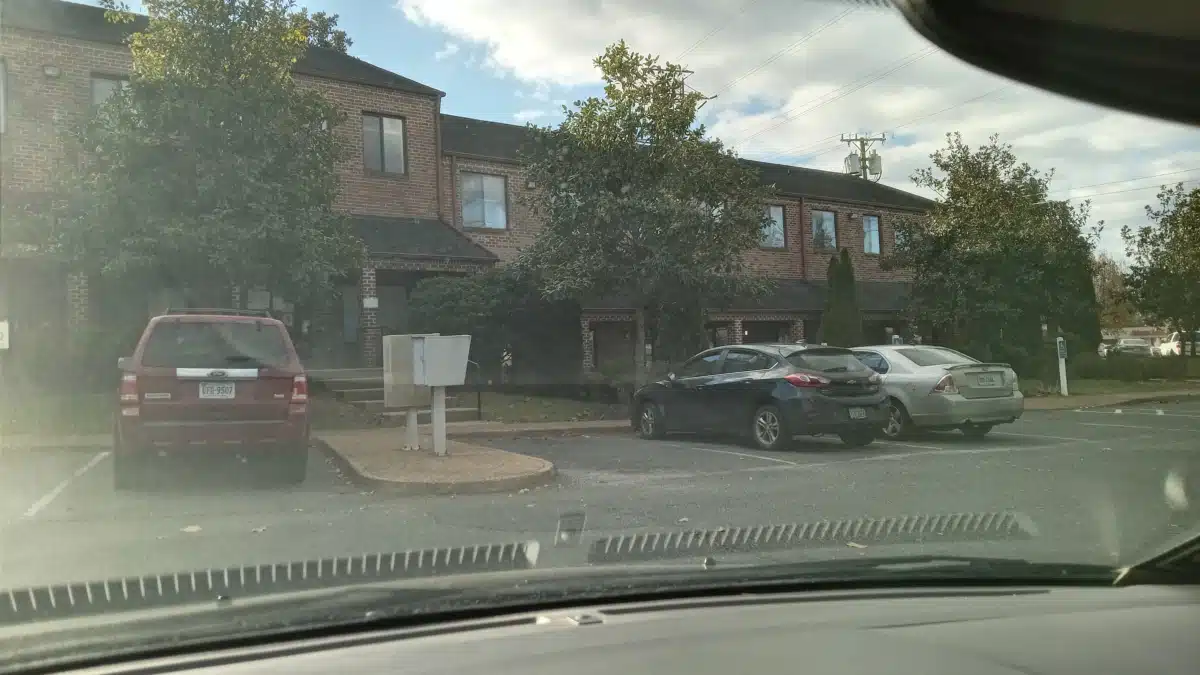
Addiction Recovery Systems LLC
Charlottesville, VA
Addiction Recovery Systems LLC in Charlotteville, VA specializes in comprehensive substance use treatment with a particular focus on supporting pregnant and postpartum women. The facility offers flexible outpatient options including detoxification, medication-assisted treatment with methadone and buprenorphine, and evidence-based counseling delivered both in-person and via telehealth. Accredited by CARF and DEA-licensed, this center combines clinical expertise with compassionate care for individuals at all stages of recovery.
Services:
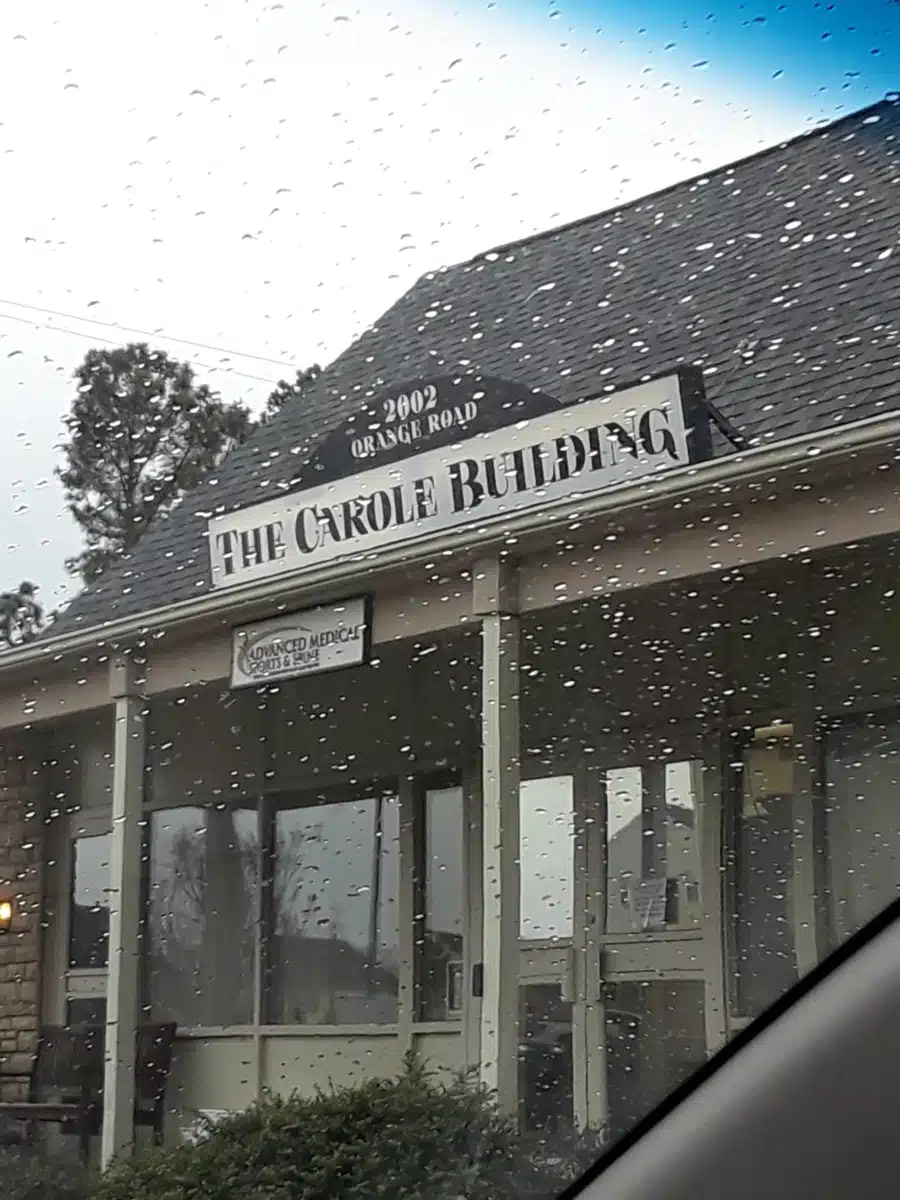
Advanced Medical Sports and Spine PLLC
Culpeper, VA
Advanced Medical Sports and Spine PLLC in Culpeper, VA specializes in comprehensive substance use treatment with a focus on medication-assisted therapy (MAT). The facility offers outpatient methadone, buprenorphine, and naltrexone programs, complemented by convenient telemedicine therapy options for flexible, accessible care. As a SAMHSA-certified opioid treatment program, they deliver evidence-based treatment for opioid and alcohol dependence in a supportive outpatient environment.
Services:
Alexandria Community Services Board
Alexandria, VA
Alexandria Community Services Board in Alexandria, VA provides comprehensive substance use treatment and integrated care for co-occurring mental health and substance use disorders across all age groups. Specializing in evidence-based approaches including cognitive behavioral therapy, motivational interviewing, and medication-assisted treatment with methadone and buprenorphine, the organization serves adolescents, young adults, seniors, and individuals involved in the criminal justice system. CARF-accredited and SAMHSA-certified, they offer flexible outpatient services and telehealth options to meet diverse community needs.
Services:
Evidence-Based Treatment Methods
Alcohol Rehab Virginia lists facilities that use clinically proven approaches for alcohol use disorder — most evidence-based programs combine multiple modalities in an individualized treatment plan.
Cognitive Behavioral Therapy (CBT)
Identifies and changes thought patterns and behaviors that trigger alcohol cravings and drinking. CBT is the most widely researched psychotherapy for alcohol use disorder and is particularly effective for relapse prevention.
Medication-Assisted Treatment (MAT)
FDA-approved medications — naltrexone, acamprosate, and disulfiram — reduce cravings and prevent relapse from alcohol addiction. Endorsed by SAMHSA and the American Society of Addiction Medicine (ASAM) as first-line treatment for alcohol use disorder.
12-Step Facilitation
Structured peer support programs (Alcoholics Anonymous/AA) integrated with clinical treatment. Research shows 12-step participation improves 12-month sobriety rates by 20–30% when combined with professional therapy.
Motivational Interviewing (MI)
A collaborative counseling approach that strengthens internal motivation for change and recovery from alcohol addiction. Particularly effective for individuals who are ambivalent about entering or continuing treatment.
Dual Diagnosis Treatment
Integrated care for co-occurring mental health conditions — depression, PTSD, anxiety, bipolar disorder — treated simultaneously with alcohol use disorder. Approximately 50% of individuals with alcohol addiction also have a co-occurring mental health condition.
Find Treatment by Type
Specialized programs designed to meet your unique recovery needs
Insurance and Payment Options
Alcohol Rehab Virginia verifies that listed Virginia alcohol rehab facilities accept most major insurance plans, including Blue Cross Blue Shield, Aetna, Cigna, UnitedHealthcare, Humana, and Virginia Medicaid.


.svg?dpl=dpl_37XUR7xm4F4z27HegcEgwaUgUNPM)


Many facilities in our directory hold Joint Commission Gold Seal accreditation or CARF certification — both indicators of clinical quality standards for alcohol addiction treatment. The Mental Health Parity and Addiction Equity Act requires most insurers to cover alcohol use disorder treatment at the same level as other medical conditions.
Frequently Asked Questions About Alcohol Rehab
The most common questions from people seeking alcohol addiction treatment involve cost, duration, insurance coverage, and which programs are most effective — here are direct answers.
How long should you be in rehab for alcohol?
Medical detox typically lasts 3–7 days. Short-term residential programs run 28–30 days. Standard residential alcohol treatment is 60–90 days. Research consistently shows that 90-day programs have significantly better long-term outcomes than 30-day programs for moderate-to-severe alcohol use disorder. However, the appropriate duration depends on individual severity, medical complexity, and post-treatment support availability.
How long is alcohol detox in Virginia?
Medically supervised alcohol detox in Virginia typically lasts 5–7 days for uncomplicated cases. However, severe alcohol withdrawal with medical complications, seizure history, or concurrent substance use may require 7–14 days of inpatient medical care. The timeline depends on your drinking history, overall health, and medications used during detox (benzodiazepines, beta-blockers, thiamine).
What is the recovery rate for alcohol addiction?
With evidence-based treatment and aftercare, 40–60% of people achieve sustained recovery (12+ months sobriety). Rates vary by program intensity: 30-day programs have 20–30% sustained recovery rates; 90-day programs achieve 50–60%; patients in MAT plus therapy show 60–70% sustained recovery. Success depends on treatment engagement, family support, peer support group attendance, and continued therapy after discharge.
How successful is rehab for alcohol addiction?
Alcohol rehab success depends on program quality and individual commitment. Research shows residential treatment combined with MAT and 12-month aftercare has 55–65% success rates. Success rates improve with: evidence-based therapies (CBT, MAT), dual diagnosis treatment for co-occurring mental health conditions, family involvement, 12-step or peer support participation, and structured aftercare. Longer treatment duration (60–90 days) significantly improves outcomes compared to short-term programs.
Alcohol Addiction by the Numbers
Understanding the scope of alcohol use disorder nationally and in Virginia helps contextualize the urgency of treatment access.
Americans aged 12+ with alcohol use disorder annually (SAMHSA, 2023)
Alcohol-related deaths in the United States annually (CDC)
Sustained recovery rate with evidence-based treatment and aftercare
Of people with alcohol use disorder receive specialized treatment (NIAAA)
Sources: SAMHSA 2023 NSDUH, National Institute on Alcohol Abuse and Alcoholism (NIAAA), CDC

Understanding Alcohol Use Disorder
Alcohol use disorder (AUD) affects an estimated 14.5 million Americans aged 12 and older annually (SAMHSA, 2023). Approximately 95,000 Americans die from alcohol-related causes yearly, making AUD one of the costliest health conditions in the nation. Evidence-based residential and outpatient alcohol treatment programs achieve 40–60% sustained sobriety rates at one year when combined with aftercare support and medication-assisted treatment — making professional alcohol rehabilitation one of the most effective medical interventions available.

How Alcohol Rehab Virginia Connects You With Verified Alcohol Rehab Care
Alcohol Rehab Virginia maintains the most comprehensive verified directory of Virginia alcohol rehab centers, cross-referenced with SAMHSA's Treatment Locator, NIH behavioral health databases, and Virginia state licensing records. Each facility listing is reviewed for current licensure, accepted insurance plans, CARF or Joint Commission accreditation status, and evidence-based alcohol treatment approaches. Our 24/7 counselors provide free, confidential guidance — no obligation to enroll.
How We Verify Our Alcohol Rehab Center Listings
Alcohol Rehab Virginia maintains a verified directory of addiction treatment centers — every listing is cross-referenced with authoritative data sources to ensure accurate, current information.
SAMHSA Treatment Locator
The Substance Abuse and Mental Health Services Administration maintains the national directory of licensed alcohol treatment facilities.
NIH Behavioral Health Databases
National Institutes of Health research data validates alcohol treatment approaches and facility outcomes.
State Licensing Records
Each facility is confirmed to hold current Virginia state licensure for substance use treatment.
CARF / Joint Commission
Accreditation status is verified for facilities that claim CARF or Joint Commission certification.
Alcohol Rehab Virginia does not sell placements or accept fees from facilities for higher rankings. Every listing is algorithmically ranked by verified data — including accreditation status, accepted insurance plans, levels of care offered, and treatment approaches available.
What Our Users Say
Real stories from people who found alcohol treatment through our directory.
“I found my alcohol rehab center through this directory in under 15 minutes. After 15 years of struggling with drinking, I completed a 60-day residential program and I'm now 18 months sober.”
James R.
Richmond, VA
“The insurance verification saved me thousands. I didn't know my Virginia Medicaid covered alcohol treatment. The counselor on the hotline walked me through every step.”
Linda K.
Virginia Beach, VA
“As a family member, I was lost. The 24/7 helpline connected us with a dual diagnosis program that finally addressed both my husband's alcohol addiction and his depression.”
Margaret W.
Roanoke, VA
Free Alcohol Addiction Treatment Resources in Virginia
If you cannot afford private alcohol treatment, free and low-cost options are available through Virginia government programs.
SAMHSA National Helpline
Free, confidential, 24/7 alcohol treatment referrals and information. Call 1-800-662-HELP (4357).
Virginia Department of Behavioral Health and Developmental Services
Virginia's state substance abuse agency provides free and low-cost alcohol treatment through state-funded programs and Virginia Medicaid. Contact your local community services board for eligibility.
Crisis Text Line
Text HOME to 741741 to connect with a trained crisis counselor. Free, 24/7, confidential support for alcohol-related emergencies.
988 Suicide & Crisis Lifeline
Call or text 988 anytime for immediate support. Available 24/7 for those experiencing alcohol-related mental health crises.
Why Alcohol Rehab Virginia Is the Most Comprehensive Virginia Alcohol Recovery Resource
SAMHSA-Verified Directory
Alcohol Rehab Virginia cross-references every Virginia alcohol rehab facility with SAMHSA's Treatment Locator and confirms current state licensure before publication.
No Placement Fees
We do not charge facilities for listings or accept fees for higher rankings. Every result is ranked by verified data — not advertising spend.
24/7 Licensed Counselors
Our counselors provide free, confidential guidance and can match you with an insurance-compatible alcohol treatment program in Virginia within 24 hours. Call +1 (888) 410-5555.
Complete Clinical Transparency
Each listing shows accepted insurance plans, levels of care (detox, residential, IOP, outpatient), accreditation status, and evidence-based alcohol treatment approaches available.
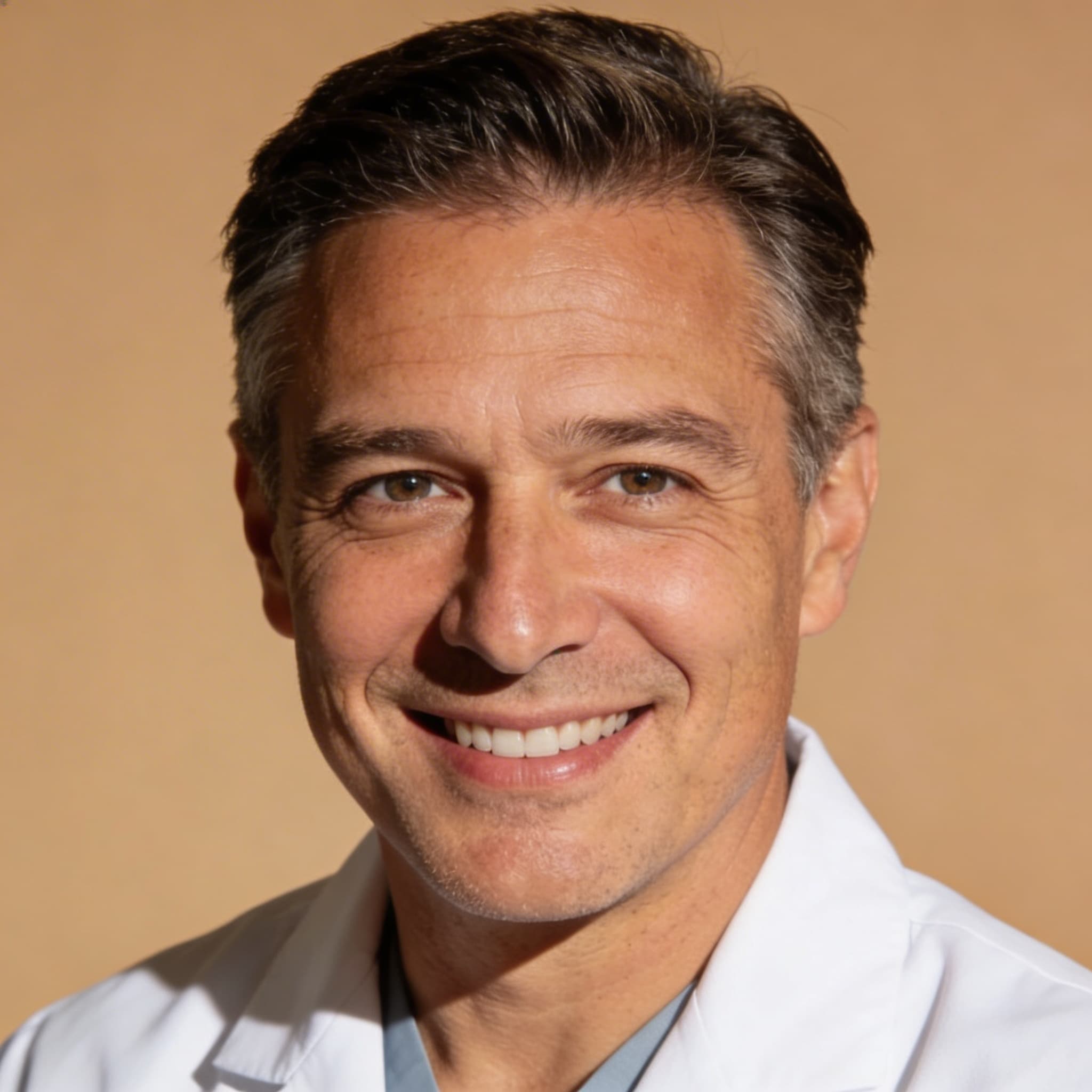
Medically reviewed by
Dr. Michael James Richardson
Clinical Psychologist
Dr. Richardson is a licensed clinical psychologist with over 15 years of experience specializing in substance use disorders and behavioral health. He holds a Ph.D. in Clinical Psychology from the University of Virginia and has published numerous articles on evidence-based addiction treatment approaches.
Editorial Policy
Alcohol Rehab Virginia is an independent alcohol treatment directory. We do not accept payment from facilities for listing priority or placement rankings. All listings are ranked by objective criteria: active SAMHSA registration, current Virginia state licensure, accepted insurance carriers, and available levels of care. Content is reviewed by a licensed clinician and updated quarterly.
Sources Used on This Page
- Substance Abuse and Mental Health Services Administration (SAMHSA) (2023). National Survey on Drug Use and Health. U.S. Department of Health and Human Services.
- National Institute on Alcohol Abuse and Alcoholism (NIAAA). Alcohol Use Disorder Treatment. NIH, 2024.
- American Society of Addiction Medicine (ASAM). The ASAM Criteria: Treatment Criteria for Addictive, Substance-Related, and Co-Occurring Conditions, 2023.
- Witkiewitz, K., & Marlatt, G.A. (2022). Relapse prevention for alcohol and drug problems. American Psychologist.
Medical Disclaimer
Alcohol Rehab Virginia is an educational directory and referral service, not a licensed alcohol treatment provider. Content is reviewed by credentialed professionals and sourced from SAMHSA, NIH, NIAAA, and Virginia-licensed treatment facilities. This information does not constitute medical advice, diagnosis, or treatment. All communications are handled in compliance with HIPAA guidelines — your health information is protected. If you or someone you know is in a medical emergency, call 911 immediately. For alcohol addiction help, contact SAMHSA's National Helpline: 1-800-662-HELP (4357), available 24/7, free, and confidential.
Ready to Start Your Alcohol Recovery Journey?
Our compassionate counselors are standing by 24/7 to help you find the perfect alcohol treatment center in Virginia. Your call is completely confidential and free.
No obligation • 100% Confidential • Available 24/7